Graph technology in 2026: Insights and predictions from data and graph experts
One of the most exciting things about working in the world of graph technology is that it’s anything but stagnant. As a technology domain that is still young, there is always some kind of evolution in the way we can apply or work with graphs. Sure, it means there can be a lot to keep up with. But it also means there are always new innovations, new possibilities, new ways of looking at data and analytics. For the curious, it’s a fascinating world to be in.
To track this progress, we’ve been publishing our Graph Landscape article and guide annually over the past few years. This year, though, we wanted to go beyond our own observations. So we interviewed a number of notable individuals who work with graphs or in the world of data and analytics to get their perspectives on how graph and connected data are evolving—and where they might be headed:
- Amy Hodler, founder of GraphGeeks
- Scott Taylor, The Data Whisperer
- Joe Hilger, co-founder of Enterprise Knowledge
- Ashleigh Faith, founder of IsA Data Thing
- George Anadiotis, founder of Year of the Graph and co-founder of State of the Graph
- Maya Natarajan, founder of node2node and co-founder of State of the Graph
- Anisha Mane, co-founder of State of the Graph
We wanted to take a bird’s eye view to explore the big trends that are taking shape, and what’s coming next. Read on for a recap of some of the major insights from this year’s interviews.
For Amy Hodler, Founder & Executive Director of GraphGeeks, the present moment sees us entering the third wave of graph technology. “I think the hallmark of this wave is variety,” she says. “There are a lot of graph technologies and solutions coming out, and we’re seeing their growth in different areas.”
This new wave is also defined by an increasing de-siloing within the graph world. “The gap between a variety of things is shrinking—like the gap between RDF and property graph. We now see companies that are using both. And why not? They're good for different things.”
George Anadiotis, founder of Year of the Graph and co-founder of State of the Graph, echoes this point. “Over the past several years, we’ve seen the gradual convergence of these two worlds.” It removes an important barrier for newcomers to the world of graph, he says, who previously had to commit to either property or RDF without necessarily having a deep understanding of the two stacks. Now, “we see emerging standards and efforts from both camps to bridge these gaps and help interoperability—to create new standards to make a uniform playing field.”
Finally, Amy also sees an increasing dynamism in the graph market: “The frothiness of the market says to me that we’re tipping into this new age. We’re seeing all kinds of acquisitions and funding,” which point to a fundamental shift in the awareness of and importance of graph technology.
Both Ashleigh Faith, founder of IsA Data Thing, and Maya Natarajan, founder of node2node and co-founder of State of the Graph, noted that the barrier to entry to using graph technology is getting lower. Ashleigh points to more accessible graph tools, alongside easy-to-use AI assistance, which have made graph easier to use for more people. “Now with AI assistance, you can have AI write the query or you can use it to at least get the draft query for yourself.”
You still need a human in the mix, she asserts. It’s important to have the knowledge that the query is properly formed, or that “it’s not going to run for 12 days.” But AI assistance means more people can use graph with less friction.
Maya echoes this: “Prior to 2020, using graphs could be difficult. But usability has now improved with no code and low code tools—with integration with ML tools as well.”
Maya also points to some other important shifts in the graph technology landscape. Cloud adoption and SaaS platforms are making graph much more accessible and easier to integrate, she notes. And with this increased usability and accessibility, she has observed the graph space growing considerably.
Amy Hodler points to graph modeling specifically becoming easier. She sees it as one of the defining elements of the current era of graph. “I think there are some new tools coming out and some approaches that are going to make that much easier,” she says of graph modeling. “That's my number one wish for the next year: let's make the modeling and the graph as easy as possible.”
More than one expert pointed to a growing number of use cases for knowledge graphs. “One of the biggest opportunities right now comes back to knowledge graphs and graph RAG,” says Maya Natarajan. “They’re being used for smarter search, for contextual AI, and are being applied at scale.”
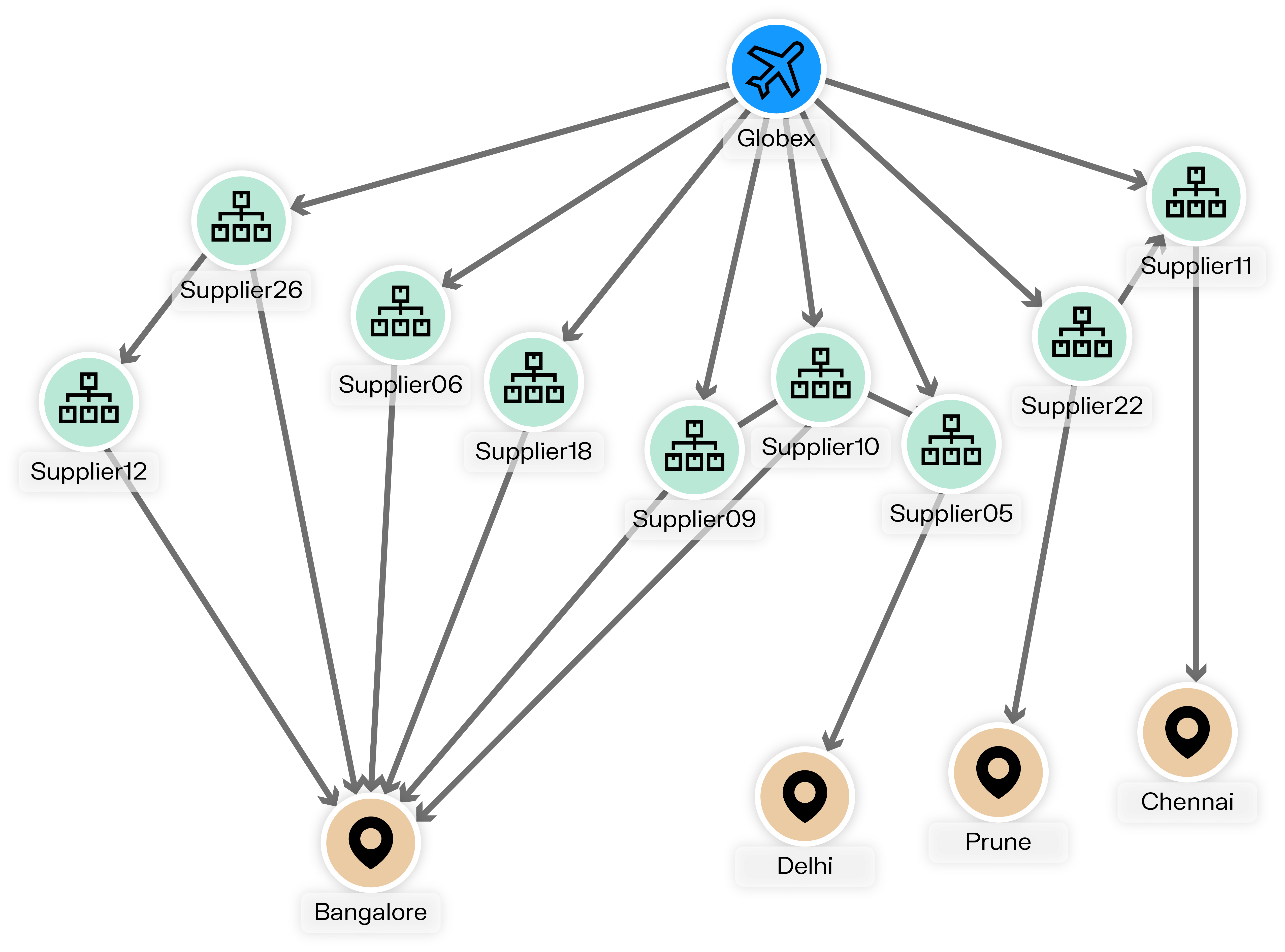
She also sees knowledge graphs expanding their footprint across industries. “From where I stand, I see graphs having a huge impact across industries,” she notes. “Before, it was just these point solutions: fraud detection or recommendations. Now we see across industries like supply chains, financial systems, healthcare.” She points out that at Connect Data London in late 2025, she saw graphs emerging as the core of a new kind of supply chain architecture.
Ashleigh Faith has noticed something of the same over the past couple of years. “I have had so many people reaching out that are dealing with supply chain. And I’m seeing many think tanks now that are focused on how to use graph specifically for shipping and manufacturing, but also in food sciences.”
Artificial intelligence has been having a big impact just about everywhere, and the world of graph is no exception. Scott Taylor, the data and tech expert behind The Data Whisperer, points out that “graphs, semantics, ontologies, hierarchies, master data, reference data, metadata… All these structural elements are getting more of a spotlight because of their critical importance in AI.”
This is a good thing, he says, since when AI goes bad, it can be really bad. “I think people are realizing that we need the structural foundation in place first. Hopefully, that understanding continues to grow.”
Joe Hilger, co-founder of Enterprise Knowledge, also sees the rise of AI uplifting graph technology, as large organizations realize they need knowledge graphs for their generative AI projects. “I think there’s going to be a lot of learning of how to do semantic layer and enterprise-scale knowledge graphs the right way this year.”
At Enterprise Knowledge, they see a lot of data professionals that have never used knowledge graphs coming to them to get started, since they need the technology for their GenAI projects. These projects act as an entry point to graph. “I think a byproduct of everyone trying to solve their generative AI failures is going to be implementing a graph,” he says. “And then they're going to say, what more can I do with this?”
In our era of widespread use of AI—for good and for bad—Ashleigh Faith sees graph playing an important role in building trust. We’ve already seen graphs prove themselves in domains like fraud detection, cybersecurity, and banking. “Look at the example of the Panama Papers,” she points out.
You can apply this type of network analysis to many other domains to flag other types of fraudulent behavior, for example citation fraud analysis in scientific research, she notes. This is all the more important as AI makes it far easier to commit all kinds of fraud.
“Because now it's not data that's the new oil,” she says. “Trust is the new oil. And knowledge graph really helps you with that.”
Hear more from these experts: check out the full-length interviews on our YouTube channel. If you’d like to learn more about the graph technology landscape in 2026, you can also take a look at our overview of the subject.
A spotlight on graph technology directly in your inbox.